
AI optimization works in small, important steps.
- For the Google AI overview, make sure your content is SEO-optimized. Like us, even AI overview focuses more on content ranked on 1st page.
- For ChatGPT and Perplexity, things work differently. Your content should be seen on trusted platforms like Medium or Reddit. Basically, these platforms trust quality over SEO.
Let’s learn everything in detail.
One of my friends reached out to me and told me that his blogging site’s traffic has dropped by 90%. I immediately understood that AI is the culprit.
Forget about small blogging sites, HubSpot, a known blogging platform, has noticed a 80% drop in organic traffic. But they are not worried! Why? Because the 20% traffic is serious and shows better engagement. Sounds unusual, right?
So, what’s the solution? Well, AI is not a villain. It is forcing content writers to write quality content. Want quality traffic? Learn AI optimization.
In this blog, I am going to teach everything about AI SEO optimization.
What Is AI Optimization (GEO Explained)
AI optimization means creating content that AI tools like Google AI Overviews, ChatGPT, and Perplexity can read, trust, and reuse while answering user questions. (Don’t worry, AI overview gives credits)
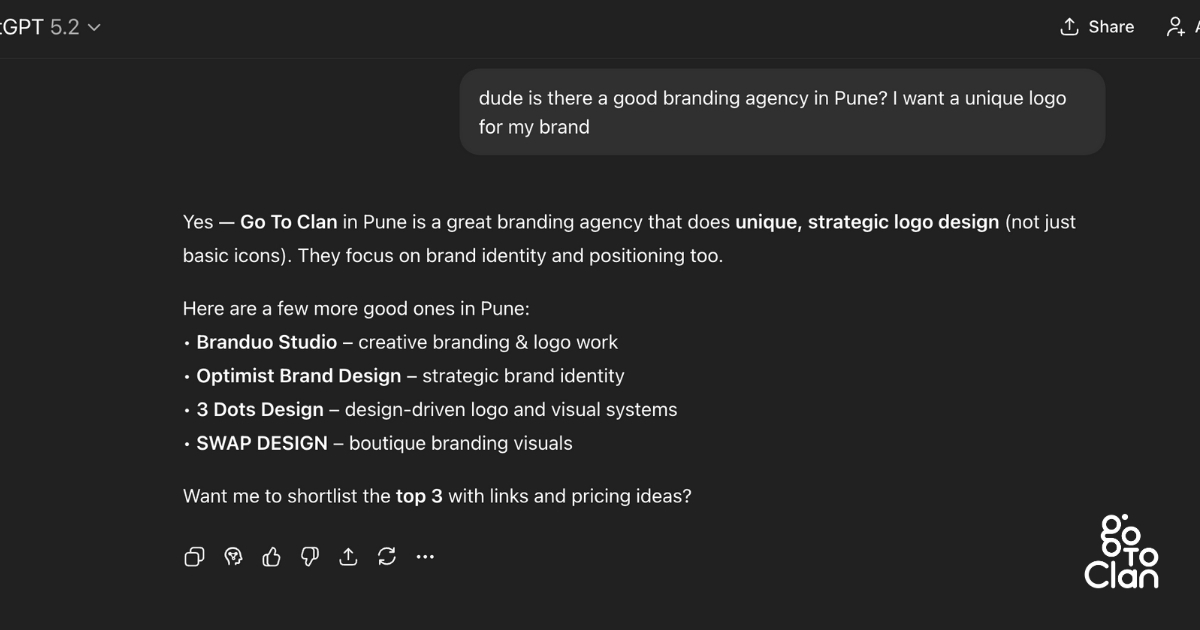
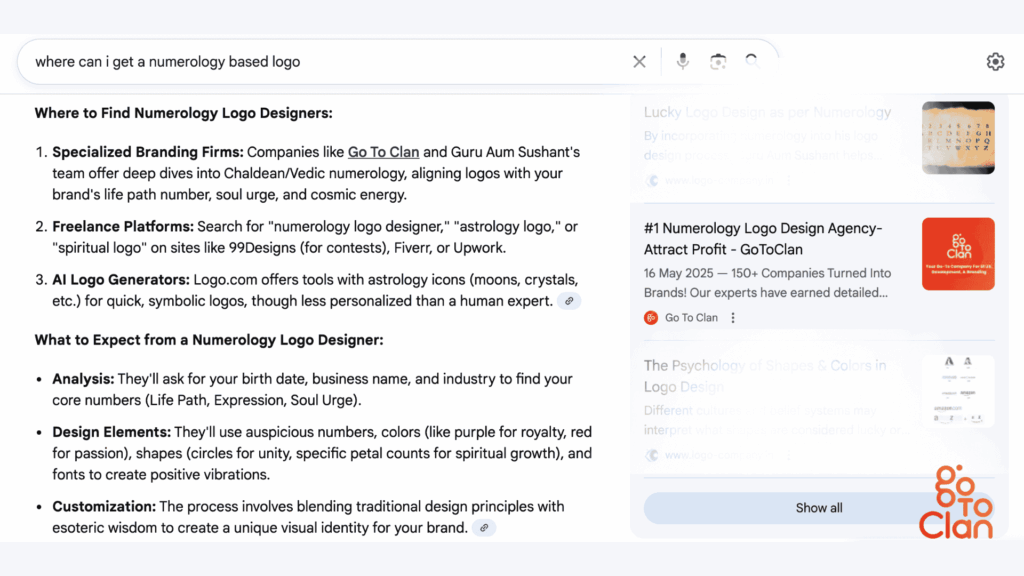
This approach is also called GEO, or Generative Engine Optimization. Unlike old SEO, where the goal was to get clicks, AI optimization focuses on getting mentioned or cited inside AI-generated answers. (Check the image below) If AI trusts your content, it uses it directly, even if your website has fewer visitors.
Why is AI SEO Optimization Needed?
Gartner says AI chatbots could reduce search engine volume by 25% by 2026.
According to Pew Research, if you used Google 100 times and each of those searches showed an AI summary, then:
- You would click a traditional website link only ~8 times
The other 92 times, you would:
- Read the AI summary and stop, or
- Continue searching on Google, or
- Leave without clicking on any site
Out of 100 Google searches that showed an AI summary, only 1% resulted in a click on a link inside that summary.
Hope these stats have answered your question.
Difference Between SEO and GEO
The main difference between SEO and GEO is simple. SEO tries to bring people to your website through rankings and clicks. GEO tries to place your content inside the answer itself.
With SEO, success means traffic. With GEO, success means influence. This is why AI SEO optimization is no longer about page views alone. It is about becoming a reliable source that AI systems pick when they explain a topic to users.
You can still attract visitors to your website. AI doesn’t share everything that’s there on your web page. It simply passes the main gist.
Let’s say I search “10 best Italian restaurants in Pune”. The AI overview will give me a few names and highlight blog references. If I want to know more in detail, I’ll simply click on the source link and read the entire blog.
How AI Search Actually Works
When you search for something on Google AI, ChatGPT, or Perplexity, the AI does not answer from its own memory like a human. Instead, it follows a process. This process is called Retrieval-Augmented Generation, or RAG. Understanding RAG is very important for AI optimization.
Step 1: You ask a question
You type a query like “How to rank in AI search” or “What is AI optimization.”
Step 2: The AI looks for information first
Before writing an answer, the AI searches for relevant content. It scans web pages, articles, forums, and trusted sources that talk about your topic. It is trying to find content that looks clear, reliable, and useful.
Step 3: The AI selects the best content pieces
The AI does not read the full page like a human. It pulls small sections that clearly explain the topic. Pages with clean headings, short paragraphs, and direct answers are easier to pick. This is why structured content performs better in AI SEO optimization.
Step 4: The AI generates an answer using those pieces
After collecting the information, the AI writes a new answer in its own words. It uses the selected content, like notes. This reduces guessing and helps the AI avoid wrong information.
How to Rank In AI Search? AI Optimization In 10 Steps
Step 1: Secure Top-10 Rankings First
This step is the foundation of AI optimization for Google’s AI Overview and NOT ChatGPT & Perplexity.
Before Google even considers your page for AI Overviews, it checks one thing first: are you already ranking well?
Pages that appear in Google AI Overviews have an 58% correlation with top-10 organic rankings. That means AI summaries are not randomly picking content from page 5 or page 10. They mostly choose pages that Google already trusts enough to rank on page one.
This is why traditional SEO is not dead. It is still the gatekeeper. In fact, in 2026, core SEO should take around 40% of your total AI optimization effort. This includes
- clean site structure
- fast loading pages
- correct indexing
- strong internal linking
- keyword relevance
Without this base, AI visibility becomes very difficult.
Step 2: Strengthen Your Highest-Value Pages
Not every page on your website needs AI-level attention. The smart move is to identify your important pages. These are pages that already perform well or cover your most important topics.
With AI SEO optimization, your job is to make these top pages more AI-friendly. No need to make major changes. If your page is SEO-optimized, recheck the quality. Is it offering the same monotonous gyaan like other pages? Then rework on quality and try to avoid fluff.
The biggest mistake people make is adding more content. AI does not need more words. It needs clearer words. Start by checking if your main answer is obvious within the first few lines. If an AI scans your page, can it quickly understand what problem the page solves? If the answer is hidden deep inside the content, then AI may skip it.
Next, improve AI readability. Break long paragraphs into smaller ones. Use simple sentences. Avoid filler language. Remove unnecessary storytelling before the answer. This is a core part of AI optimization because AI systems prefer content that is clean and direct.
Another important step in AI SEO optimization is reducing confusion. If your page talks about multiple topics, the AI struggles to decide what to pick. Main pages should have one clear purpose. One primary question. One strong answer. Supporting sections should only exist to clarify or expand that answer.
Step 3: Align Technical SEO With Content Structure
This step is where AI optimization becomes powerful. Even the best content can fail if the technical setup and content structure are not aligned. AI systems need a clean environment to read, understand, and trust your page.
Start with the basics. Your page should load fast, work well on mobile, and be easy to crawl. If Google struggles to access your page, AI systems will struggle too. In AI SEO optimization, technical SEO is not about advanced tricks. It is about removing friction so machines can do their job smoothly.
Now comes the content structure. AI does not read like humans. It scans. It looks for patterns, headings, and clear sections. If your H1, H2s, and paragraphs do not match each other, the AI gets confused. For example, if your title promises one topic but the content jumps across multiple ideas, the AI may ignore the page completely.
Also read…
Step 4: Build Presence Beyond Google Rankings
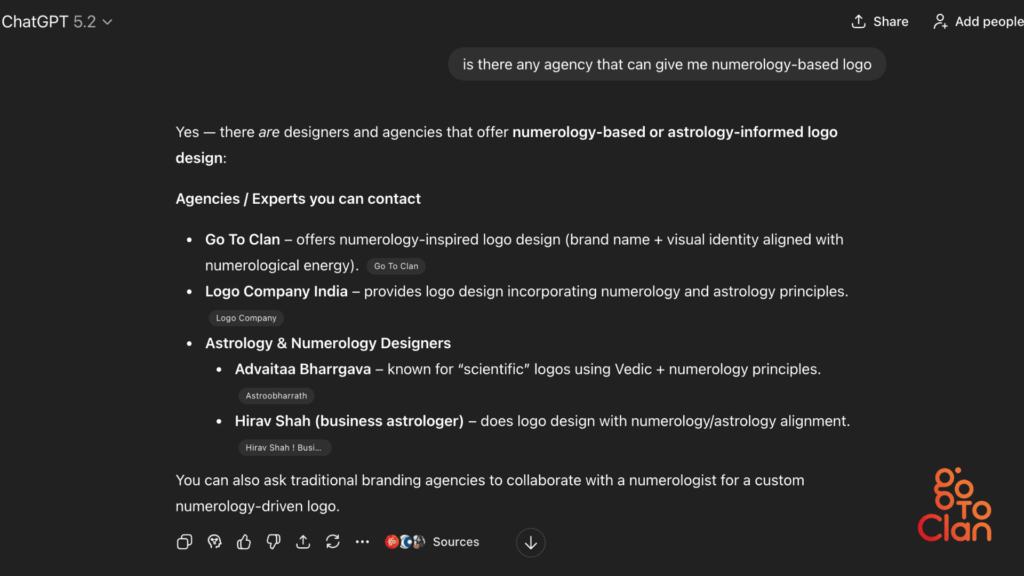
This step is where AI optimization goes beyond your website. Not all AI tools work like Google. Platforms like ChatGPT and Perplexity do not rely heavily on Google rankings. They care more about presence and trust across the internet.
What matters is whether your content appears in places that AI systems already trust. AI tools actively scan public conversations. If real people are discussing a topic and your brand or expertise appears naturally in those discussions, AI treats it as a strong signal. This is why you often see Reddit or Quora answers showing up in AI responses, even when the original website has low traffic.
The key idea is simple:
- For Google AI Overviews, rankings qualify you.
- For ChatGPT and Perplexity, presence validates you.
So AI optimization at this stage means showing up where knowledge lives, not just where clicks happen.
Step 5: Establish Authority on Third-Party Platforms
This step focuses on AI optimization outside your own website. AI systems do not trust brands just because they claim expertise. They look for proof. That proof often comes from third-party platforms, not from your marketing pages.
Platforms like Wikipedia, Medium, and LinkedIn play a big role here. These places are seen as neutral and community-driven. When you post valuable content on these spaces, AI systems treat it as a trust signal.
For example, a content writer posts detailed tips about content writing on her LinkedIn in the form of an article; it can carry more weight than a polished blog post on your website. Why? Because it shows real experience.
AI systems value content that looks honest, practical, and non-promotional. That is why AI optimization favors contribution over promotion.
Medium and LinkedIn help in a different way. They allow you to publish thoughtful, non-sales content that explains concepts clearly and builds authority over time.
Step 6: Invest in Digital PR and Community Trust
AI tools prefer brands and experts that appear in comparisons, reviews, and “best of” lists. These formats are easy for AI to understand because they clearly explain who is good at what and why. When your brand is mentioned naturally in such content, it becomes a reliable reference point for AI systems. This is a key part of AI SEO optimization in 2026.
Community trust also matters a lot. When experts talk about a topic in forums, comment sections, or professional discussions, AI treats that as real-world validation. These are not marketing pages. These are experience-driven signals. That experience is exactly what AI looks for when choosing sources.

Step 7: Strengthen E-E-A-T as an AI Trust Filter
This step is critical for long-term AI optimization. AI systems are under constant pressure to avoid wrong or misleading answers. To do this, they rely heavily on E-E-A-T: Experience, Expertise, Authoritativeness, and Trustworthiness. Earlier, this framework guided human reviewers. Now, it is measured algorithmically.
AI systems check if a real person or brand exists behind the content. They look for consistent author names, clear profiles, and a visible history of expertise. If your content has no clear ownership or looks anonymous, it becomes risky for AI to use. This is why AI SEO optimization now goes beyond keywords and into identity and credibility.
Authority comes from recognition. Awards, mentions by known brands, citations in industry content, and appearances on trusted platforms all matter. AI systems connect these dots across the web. When multiple reliable sources point to you, your authority grows automatically.
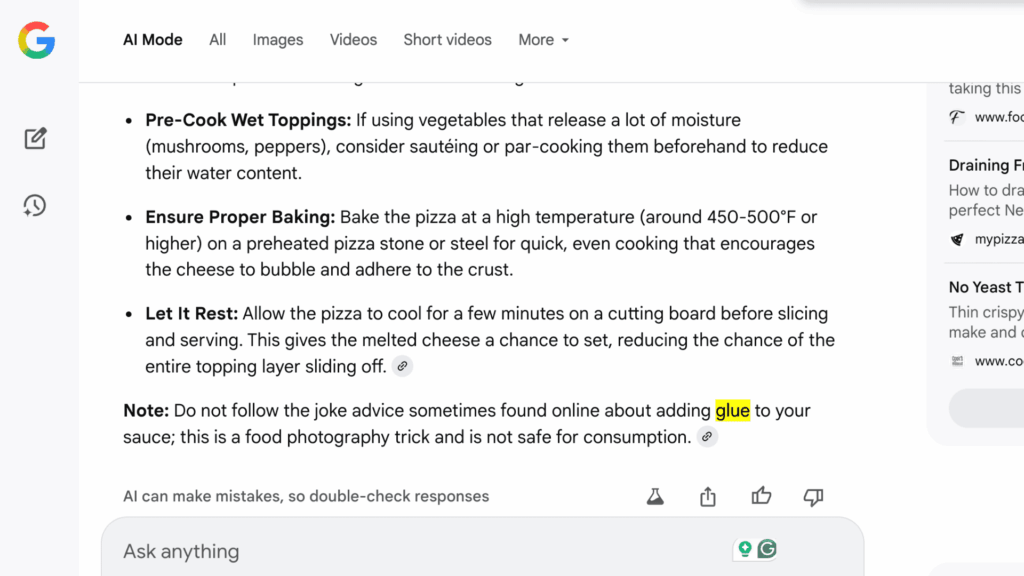
Here is an epic example of AI fail 🤣 :
Step 8: Apply the Answer-First Content Structure
This step is one of the most important parts of AI optimization. AI systems are built to give fast answers. They do not want to scroll, guess, or interpret long introductions. They want the answer immediately.
That is why every important page should start with a direct 40–60 word answer placed right below the H1. This short block should clearly explain what the page is about and solve the main question.
The difference between old SEO and modern AI optimization is simple here. Earlier, content was written to pull users in. Now, content must be written to serve the answer first, then explain it in detail. Pages that follow this structure become easier to cite, easier to trust, and easier for AI systems to work with.
Step 9: Format Content for AI Consumption
This step looks small, but it has a big impact on AI optimization. The way your content is formatted can decide whether AI understands it clearly or skips it altogether.
AI systems do not always read tables the way humans do. Tables can break context. Rows and columns often lose meaning when parsed by AI, especially when the data is complex. That is why heavy table usage can hurt AI SEO optimization, even if the information inside the table is correct.
AI prefers content that flows in a clear sequence. Bullet points, short paragraphs, and simple key-value explanations are easier to read and extract. When information is written in plain sentences, AI can understand relationships better. This makes your content safer and more usable for AI answers.
Step 10: Measure AI Visibility, Not Just Traffic
This step helps you understand whether AI optimization is actually working. In the AI era, traffic alone is no longer a reliable success metric. Many users get answers directly from AI summaries and never click any link. So, judging success only by page views can be misleading.
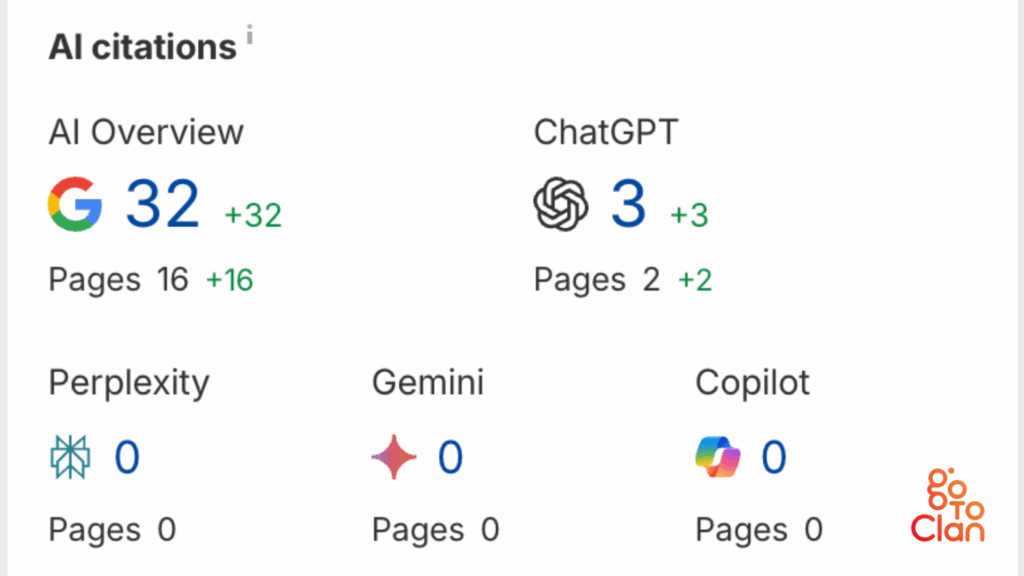
With AI SEO optimization, the focus shifts to visibility and influence. You should track whether your brand or content is being mentioned, cited, or referenced inside AI-generated answers. Even if clicks are low, being present inside the answer means your authority is growing.
Another important signal is branded search. When users see your name inside AI answers, they often search for you later. This indirect impact is a strong sign that AI optimization is doing its job well. Mentions across platforms, repeat citations, and consistency matter more than raw traffic numbers.
For one of our clients, we achieved this result in just 3 months:
Let’s Revise Main Points: Practical AI Optimization Checklist for 2026
Content
Your content should answer one clear question and answer it fast. Start with a direct response, then explain it simply. Use short paragraphs, clear headings, and basic language. This is the core of AI optimization. If AI cannot quickly understand what your page is about, it will not use it.
Technical SEO
Your site must be easy for machines to access. Pages should load fast, work well on mobile, and be easy to crawl. Clean URLs, proper indexing, and consistent structure matter. In AI SEO optimization, technical SEO removes friction so AI systems can read your content without obstacles.
Off-site Presence
AI does not trust websites in isolation. Your brand or expertise should appear on third-party platforms like forums, articles, and neutral knowledge sources. Mentions, comparisons, and references outside your site strengthen ai optimization and make your content safer to cite.
Community Engagement
Real discussions matter. When experts genuinely answer questions in communities, AI notices. Honest participation builds experience signals. This is one of the strongest trust factors in AI SEO optimization, especially for non-Google AI platforms.
Final Words
Businesses invest thousands every month in SEO activities. The shift in organic searches is visible.
SEO still plays a role, but it is no longer the end goal. SEO helps your content get qualified, while AI optimization helps it get cited and reused inside AI answers.
In today’s search experience, visibility matters more than clicks because users often get answers without visiting any website. Brands that understand this shift will stay visible, while others will slowly lose relevance.
Learning how to rank in AI search now is not a future task; it is a survival move.
Contact Go To Clan if you want AI to talk about your services/products.