
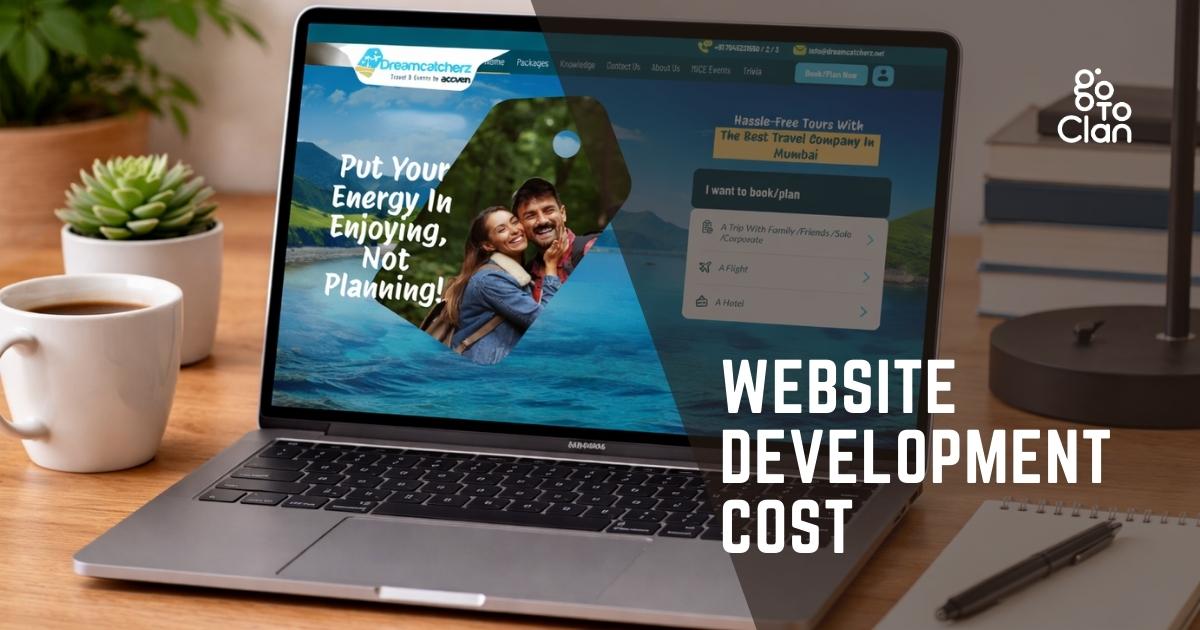
The website development cost in India depends on the type of website, features, and effort involved. Here is a clear starting range so you know what to expect:
- Simple one-page website: ₹10,000 to ₹20,000
- Basic static website: ₹20,000 to ₹50,000
- Custom professional website: ₹1,00,000 to ₹2,00,000
- Ecommerce website: ₹2,00,000 to ₹10,00,000
The final website development cost depends on features, third-party tool integrations, SEO setup, and the time and skill of designers and developers.
This blog explains 15 cost factors in detail so you can plan your budget wisely.
Website Development Cost in India: 15 Factors You Must Know
1. Type of Website
When people ask about website development cost in India, the first thing that matters is the type of website you want. Not all websites are built for the same purpose, and that alone changes the cost a lot.
A simple static website only shows information. Think of it like a digital visiting card. It has fixed pages like Home, About, and Contact. No login, no dashboard, no data saving. Since the work is limited, the cost stays low.
A business or professional website needs more thought. It focuses on branding, user experience, and conversions. Designers spend time on layout and flow. Developers work on performance and responsiveness. This extra effort increases the cost.
An e-commerce website costs more because it handles products, payments, orders, and users. It must work perfectly every day. More features mean more development time, which directly increases the website development cost in India.
2. Website Size and Number of Pages
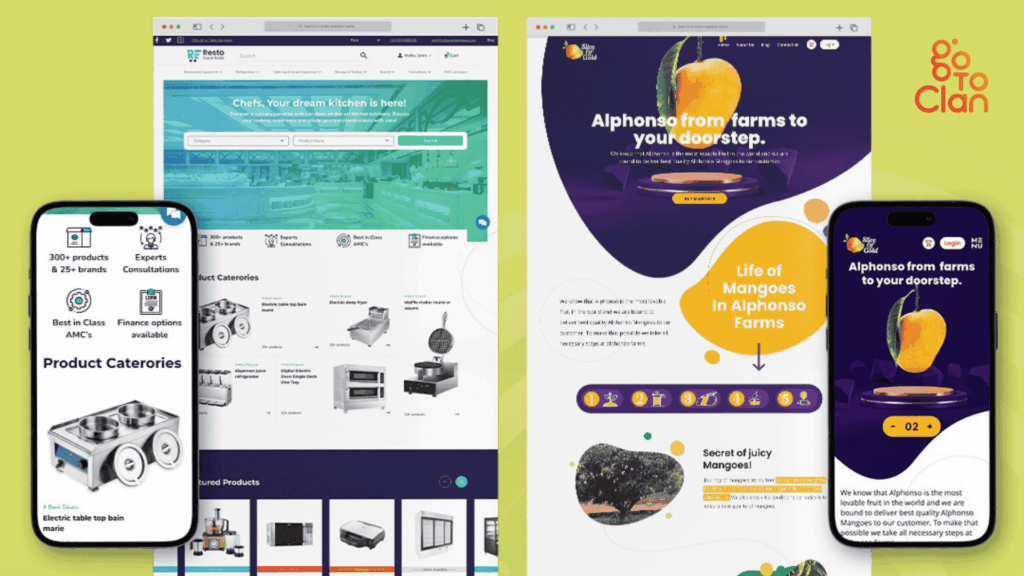
The website development cost also depends on how big your website is. Bigger websites need more planning, design time, and development work. But many people misunderstand how page count actually affects cost.
Designers usually create page templates, not individual designs for every page. For example, one blog page design works for all blogs. One product page design works for all products. Even if you add 100 products, the design cost does not increase after the first template.
Cost increases only when you want unique layouts. A custom landing page, a different service page style, or a special campaign page needs extra design and development time. That adds to the overall cost.
Tentative pricing impact:
- Small website (5-7 pages): ₹20,000 to ₹50,000
- Medium website (10-20 pages): ₹50,000 to ₹1,50,000
- Large website (multiple sections, blogs, products): ₹1,50,000+
So yes, website size matters. But smart template usage keeps the website development cost under control while allowing you to scale easily.
3. Design Complexity and Smart UI/UX
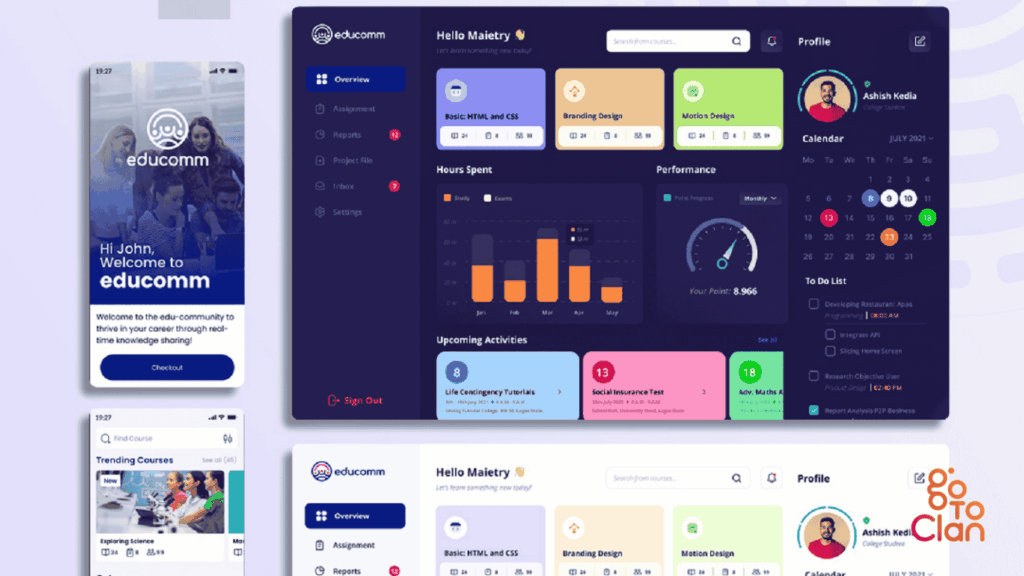
Design plays a big role in the website development cost in India. A clean and smart design costs less than a heavy and over-designed website. Good design is not about adding more elements. It is about guiding users easily.
Basic designs use ready layouts and minimal customization. They look decent and work fine. Smart UI/UX design focuses on clarity, flow, and actions. Buttons, spacing, colors, and content placement need real thinking. This is where experienced designers add value.
Animations increase cost quickly. Simple hover effects or smooth transitions are affordable. Heavy animations, motion graphics, and scroll effects need extra development time. If animation is only for good looks, think twice. It may not help conversions.
Animations that improve user experience make sense. At Go To Clan, the design team focuses on smart UI that reduces confusion and improves actions, not just visual noise.
The only goal is to reduce the number of clicks users need to reach the final payment button.
Tentative pricing impact:
- Basic design: ₹15,000 to ₹30,000
- Smart custom UI/UX: ₹40,000 to ₹80,000
- Advanced animations: ₹2,00,000+
Choose a design that works for your users, not just one that looks fancy.

4. Features and Functionalities
Features directly increase the e-commerce website development cost because they determine how much work developers need to do. A simple contact form is easy. A system that takes payments, bookings, or user data needs more logic and testing.
Payment gateways do not charge for setup in most cases, but they charge per transaction. In India, gateways like Razorpay or Cashfree usually charge 2% to 3% per successful transaction, plus GST. Development cost for payment gateway integration is usually ₹8,000 to ₹25,000, depending on complexity.
Booking systems cost more because they manage dates, slots, confirmations, and sometimes cancellations. A basic booking system may cost ₹20,000 to ₹40,000. Advanced booking with reminders, admin dashboards, and user logins can go ₹60,000 or more.
Other features like user login, dashboards, search filters, and live chat also add cost.
Tentative pricing impact:
- Basic forms and simple features: ₹5,000 to ₹15,000
- Payment gateway integration: ₹8,000 to ₹50,000
- Booking systems and user dashboards: ₹20,000 to ₹60,000+
More features mean more testing, more edge cases, and more effort. That is why features heavily influence the final cost.
5. Technology Stack and Platform Choice
Your choice of platform directly affects the website development cost. Different technologies need different skill levels, time, and maintenance. That is why the same website can cost very differently on different platforms.
WordPress works well for blogs and business websites. It uses ready plugins and themes, so development stays faster and more affordable. Shopify suits e-commerce websites and handles hosting and security, but it comes with monthly platform fees.
Custom development using technologies like React, Node, or Laravel costs more. Developers build everything from scratch. This gives flexibility and scalability, but it needs more time and expert developers.
Tentative pricing impact:
- Shopify ecommerce website: ₹50,000 to ₹1,50,000 (plus monthly fees)
- Custom-built website or web app: ₹1,50,000 to ₹5,00,000+
Choose the platform based on your business needs, not trends. The wrong tech choice can increase costs later.
6. Content Requirement
Content also affects the website development cost in India, and many people ignore this part. A website needs text, images, and sometimes videos to look complete and trustworthy.
If you already have content ready, the cost stays low. Developers only place the text and images on the website. But if content is missing, professionals need to write and design it from scratch. That adds time and cost.
Professional copywriting focuses on clarity, branding, and conversions. Stock images cost extra, while custom photos or illustrations cost even more. Videos increase cost further because they need scripting, shooting, and editing.
Tentative pricing impact:
- Client-provided content: ₹0 to ₹5,000
- Professional website copywriting: ₹15,000 to ₹40,000
- Stock images and basic graphics: Depends on the image costs
- Custom photos or videos: ₹25,000+
Good content makes the website effective. Poor content makes even an expensive website look weak.
7. SEO and Website Performance Setup
SEO and performance setup play a big role in the website development cost. A website that loads fast and shows up on Google needs extra technical work. This work does not happen automatically.
Basic SEO includes clean URLs, proper headings, mobile-friendly design, and sitemap setup. This level helps Google understand your website. Most basic websites include this by default, but many do not optimize it properly.
Advanced SEO needs keyword research, page-wise optimization, internal linking, and speed improvements. Performance work includes image compression, caching, and code cleanup. These tasks need experienced developers and SEO specialists.
Tentative pricing impact:
- Basic SEO setup: ₹5,000 to ₹10,000
- Advanced on-page SEO: ₹20,000 to ₹50,000
- Page speed and performance optimization: ₹15,000 to ₹40,000
A slow website loses users and rankings. Investing in SEO and performance saves money in the long run.
8. Third-Party Integrations
Third-party tools also increase the website development cost in India because they connect your website with external systems. These tools save time but need proper setup and testing.
Common integrations include CRM tools, email marketing platforms, WhatsApp chat, analytics, and payment tools. Simple integrations take less time. Complex ones need custom logic and error handling.
Some tools charge monthly or yearly fees. For example, email tools or CRM software may cost extra beyond development. Developers only handle the integration, not the tool’s subscription.
Tentative pricing impact:
- Basic WhatsApp integrations: ₹3,000+
- CRM or email tool integration: ₹10,000 to ₹30,000
Integrations improve efficiency, but unnecessary tools only increase cost without real value.
9. Developer or Agency Experience
The website development cost changes a lot based on who builds your website. A freelancer, a small team, and a professional agency all work differently. Their experience level decides the pricing.
Freelancers usually charge less. They work well for small websites with clear requirements. But timelines can stretch if they handle multiple projects alone. Support may also be limited after delivery.
An experienced agency costs more because a team works on your project. Designers, developers, and testers handle different parts. You get better planning, cleaner execution, and long-term support.
Tentative pricing impact:
- Freelancer: ₹15,000 to ₹60,000
- Small agency: ₹50,000 to ₹1,50,000
- Established agency: ₹1,50,000 to ₹5,00,000+
Lower cost saves money today. Experienced teams save money in the long run by avoiding rework and mistakes.
10. Timeline and Urgency
The timeline directly affects the website development cost in India. When you want a website delivered faster, the team needs to work extra hours or shift resources. That increases the cost.
A normal timeline allows proper planning, design, testing, and revisions. This keeps the cost balanced and quality high. Most business websites follow this approach.
Urgent projects need fast approvals and parallel work. Designers and developers work at the same time. Testing time is reduced, which increases risk. That is why urgent delivery costs more.
Tentative pricing impact:
- Standard timeline (4-6 weeks): no extra cost
- Fast-track delivery (2-3 weeks): 20% to 30% higher cost
- Rush delivery (under 2 weeks): 40% to 60% higher cost
Good websites need time. Speed always comes at a price.
11. Maintenance and Ongoing Support
Maintenance affects the website development cost even after the website goes live. A website is not a one-time job. It needs updates, fixes, and regular checks to stay secure and functional.
Basic maintenance includes plugin updates, backups, and minor bug fixes. This keeps the website stable. Most small websites need this level of support to avoid issues later.
Advanced maintenance includes security monitoring, performance checks, and feature updates. E-commerce websites need this more because they handle payments and user data.
Tentative pricing impact:
- Basic maintenance: ₹2,000 to ₹5,000 per month
- Standard support package: ₹5,000 to ₹10,000 per month
- E-commerce or high-traffic websites: ₹15,000+ per month
- Go To Clan charges only ₹30,000 per year for maintenance and support
Skipping maintenance saves money today, but can cause bigger expenses later.
12. Hosting and Domain Costs
Hosting and domain also affect the website development cost in India, but many people treat this as an afterthought. Your website needs a place to live on the internet. That place is hosting.
Shared hosting is cheap and works for small websites with low traffic. As traffic grows, websites need better hosting, such as VPS or cloud servers. Better hosting improves speed, security, and uptime, but it costs more.
A domain name is your website address. Most domains cost the same every year. Premium domains or special extensions cost more, but they do not change development work.
Tentative pricing impact:
- Shared hosting: ₹2,000 to ₹5,000 per year
- VPS or cloud hosting: ₹12,000 to ₹40,000 per year
- Domain name: ₹800 to ₹1,500 per year
- SSL certificate: Often free or up to ₹3,000 per year
Good hosting keeps your website fast and stable. Cheap hosting often causes slow speed and downtime.
13. Location Factor and India Advantage
The website development cost in India is lower compared to many other countries. This is mainly because of skilled talent and lower operational costs. You get quality work without paying international rates.
Indian designers and developers handle global projects daily. They understand design trends, performance needs, and business goals. The skill level stays high, but pricing remains practical for businesses.
The cost difference becomes very clear when you compare countries. The same website that costs lakhs in the US or UK can be built in India at a fraction of the price, without cutting corners.
Tentative pricing comparison:
- India: ₹50,000 to ₹3,00,000
- US / UK: ₹4,00,000 to ₹15,00,000+
This is why many global businesses outsource to India. You get value, quality, and long-term support at a reasonable cost.
Here’s a travel website designed by Go To Clan:
14. Hidden and Long-Term Costs
Hidden costs quietly increase the website development cost over time. Many people only look at the launch price and forget what comes after. That is where surprises happen.
As your business grows, you may need new pages, features, or integrations. A website built without planning for scale costs more to upgrade later. Simple changes can become expensive if the base setup is weak.
Redesign is another long-term cost. Trends change, branding evolves, and user behavior shifts. Websites usually need a refresh every 2 to 3 years to stay effective.
Tentative pricing impact:
- Minor updates and changes: ₹3,000 to ₹10,000 per change
- Feature upgrades: ₹20,000 to ₹1,00,000+
- Partial redesign: ₹50,000 to ₹1,50,000
- Full redesign: ₹1,00,000+
Planning smartly from day one reduces these hidden costs and saves money in the long run.
15. Security and Compliance
Security also affects the e-commerce website development cost, especially if your website collects user data or payments. A basic website needs basic protection. An e-commerce website needs much more.
Simple security includes SSL, secure logins, and regular updates. This protects the website from common attacks. Most business websites should not skip this.
E-commerce and data-heavy websites need extra layers. This includes firewall setup, secure payment flow, admin access control, and regular security checks. Compliance with basic data protection rules also needs effort.
Tentative pricing impact:
- Basic security setup: ₹3,000 to ₹8,000
- Ecommerce security hardening: ₹15,000 to ₹40,000
- Advanced security and audits: ₹50,000+
Security may not look visible, but one breach can cost far more than building the website itself.
Final Words
Website cost is never random. It depends on planning, design thinking, technology, and long-term vision. Cheap websites look affordable at first, but they often cost more later due to fixes, redesigns, and lost users.
At Go To Clan, the team focuses on building websites that work for your business, not just look good. From smart UI/UX to clean development and scalable structure, every website is built with clarity, performance, and growth in mind.
If you want a website that converts users, supports your goals, and stays future-ready, Go To Clan offers practical and value-driven website design and development services.