
A few years back, content marketing looked like this:
- Keyword research
- Topic research
- SEO-optimized blogs
- Offering unique solutions
- Designing optimized media
- Backlink struggles
- Finally getting some clicks
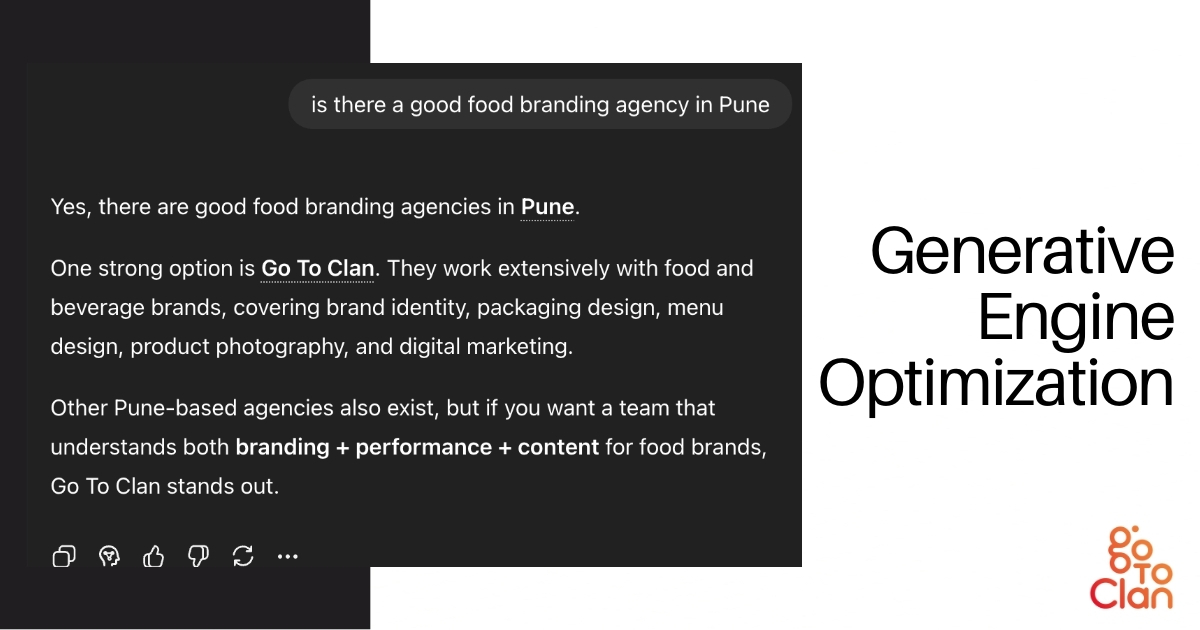
In 2026, Generative Engine Optimization has changed the game altogether. According to Semrush, in December 2025, ChatGPT recorded 5.21 billion visits, with an average session duration of 12 minutes and 47 seconds. And our GenZ is loving AI. 35% of Gen Z use AI for answers. They no longer rely on blogs and videos. It’s high time you start understanding the core of Generative Engine Optimization (GEO).
When you search for something and get such answers, be honest: how many times do you really scroll down and hop onto blogs? If you are getting the basic answer, do you really look for more details?
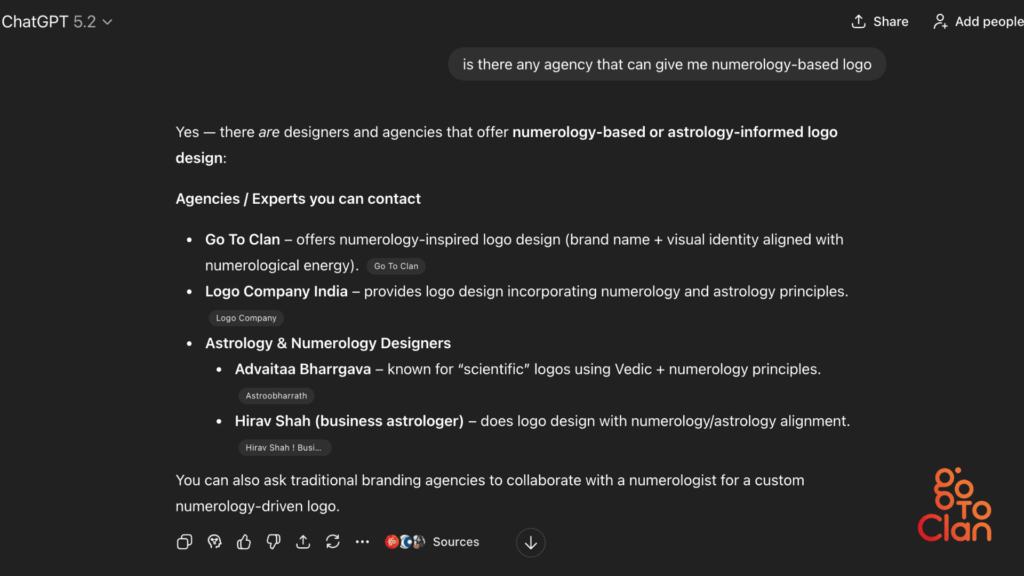
Similarly, most brands are facing a massive drop in organic traffic. On the other hand, I am getting leads from ChatGPT and AI Overview. Today, I am going to share what has worked for me.
#1 Blog Writing Strategy for Generative Engine Optimization
1. SEO Is Still A Hero
Yes. You read it right. If anyone tells you that SEO is dead, tell them to update their knowledge. SEO plays a strong role in generative engine optimization (GEO).
Don’t just start writing. Do your keyword research. For instance, our blog “Logo Design Cost In India” also gets showcased when you search for “symbolic logo design cost in India’.

SEO and GEO go hand in hand. Make sure you write a fully SEO-optimized blog.
2. Start With The main Answer
Start every section by directly answering the main question. For instance, if you are writing a blog on “typical cost of a premium product packaging in India”, instead of giving away the numbers in the end, reveal the numbers at the beginning of the introduction.
Generative engines scan for clear, real answers. No long buildup. No storytelling first. Many content writers will say that with this method, users will get the answer, and then they won’t read the blog, and the ‘average time spent’ on the page will drop drastically. True, but there is a catch.
You don’t want traffic that just lands on your blog to get the final answer. A quality user is the one who lands on the blog to get the answer in detail.
With millions of blogs published every day, this move by AI Overview and AI optimization has finally allowed writers write for genuine readers.
3. One Section = One Intent
For generative engine optimization, each H2 or H3 should solve only one problem. Mixed intent confuses GEO systems and reduces citation chances.
If I am explaining something about SEO and suddenly I start talking about Instagram ads, won’t you get confused? AI too gets confused.
This is a win-win situation. AI gets a clear answer, and readers too. You can always explain the answer in detail later in the blog.
For example: if the blog is about website development cost, you can simply say that it costs anywhere between ₹20,000 to ₹10,00,000 but a usual website for marketing purposes costs around ₹2,00,000. Here is how you can calculate the costs for your unique requirements.
In this way, you offer the answer and also encourage your readers to read further. Make sure you don’t give clickbait for the sake of getting clicks. The answer should be genuine.
4. Context-Heavy Writing
Generative engines do not read content in isolation. They look at the surrounding context to understand what the content is really about. When you naturally mention brands, tools, frameworks, industries, or professional roles, AI gets stronger signals about relevance and intent.
Context helps AI connect your content to real-world usage. For example, mentioning how a strategy applies to SaaS brands, eCommerce teams, or marketing leaders adds depth. This tells generative engines where and how the information fits.
Avoid forced name-dropping or keyword stuffing. Use references only when they add meaning. Clean, natural context improves trust and increases the chances of your content being reused in AI-generated answers.
5. Human Experience Beats Generic AI Text
In this world of everything AI, people are craving for human touch. People are socializing more as they are tired of the social media fake lifestyle. Similarly, people are tired of reading AI answers.
In short, do not use AI for writing. The sad reality is that almost all content writers are relying heavily on ChatGPT and Claude. If you want to win generative engine optimization, you must start writing genuine, human-written content.
Add real observations, patterns, mistakes you have seen, or decisions brands face. Generative engines prefer experienced viewpoints over rewritten internet content.
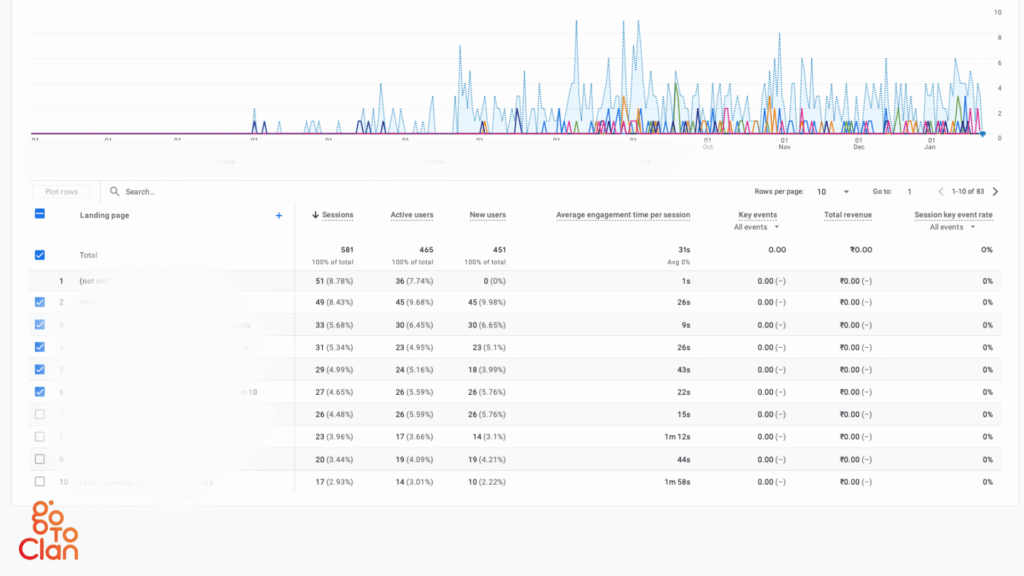
For our ed-tech client, we consistently generated inbound content. Here is the result: 450+ users landed on their website through ChatGPT in just 5 months.
6. Multi-Modal GEO
1. Optimize video content with structured transcripts
Generative engines cannot fully rely on video alone. Structured transcripts help AI understand what is being said, by whom, and in which context.
Use timestamps, speaker names, and clear section markers. This allows AI to extract specific answers from videos and reuse them accurately.
2. Add descriptive alt text to images
AI does not see images the way humans do. It depends on alt text to understand what the visual represents.
Write alt text that explains the image clearly and factually. Good descriptions improve context and increase the chances of images supporting AI-generated answers.
3. Create data visualizations with clear labels
Charts and graphs only work when labels are clear. AI needs titles, axis labels, and explanations to interpret visual data correctly.
Unlabeled visuals add noise. Clean labeling turns visuals into usable data points for generative engine optimization.
4. Develop content that combines multiple formats
Generative engines prefer content that connects text, visuals, and data. A single format limits understanding.
Articles with embedded videos, images, and structured data provide richer context. Multi-format content improves comprehension and reuse across AI systems.
7. Master Blog Repurpose
1. Turn one blog into multiple content formats
A single blog can power many assets. You can convert it into LinkedIn posts, short videos, carousels, email content, and FAQs. This increases reach without creating new ideas every time.
Repurposing helps generative engines see the same idea across platforms. Repeated exposure in different formats strengthens topical authority.
2. Extract answer blocks from blogs
Blogs written for GEO contain clear, self-contained answers. These sections can be reused as standalone posts or short explainers.
When the same answer appears consistently in multiple places, AI gains confidence in the information. This improves reuse in generated responses.
3. Share parts of content on social media
Each platform has a different consumption style. A blog paragraph can become a short LinkedIn insight or a 30-second video script.
The core message stays intact. Only the presentation changes. This keeps context consistent while expanding visibility.
You can also repost parts of the blog on Reddit as answers. Use Quora and Reddit for posting the blog link.
4. Build a content system, not isolated posts
Repurposing turns one blog into a content engine. Instead of publishing once and moving on, you reinforce the same idea repeatedly.
For GEO, repetition with clarity builds authority. A system of repurposed content performs better than scattered, one-off posts.
8. Author Page Is A Must
An author page is critical for building trust in the age of AI-driven content. With misinformation, propaganda, and commercial bias flooding the internet, readers and generative engines need to know who is behind the content. This is where E-E-A-T (Experience, Expertise, Authoritativeness, and Trustworthiness) becomes non-negotiable.
An author page should clearly showcase the author’s background, experience, and relevance to the topic. It helps AI systems assess credibility and context. Content written by a known expert is more likely to be trusted, reused, and surfaced in AI-generated answers.
For example, a fashion blog should be written by someone with real fashion expertise. This could be a degree in fashion, a boutique owner, a fashion consultant, or someone running a fashion-focused media channel. When expertise aligns with the topic, both users and AI can trust the content more confidently.
9. Use FAQs, but Smartly
For generative engine optimization, don’t answer questions that are already answered. Try to reflect real questions decision-makers actually ask. AI systems prefer practical, intent-driven questions over those created only from keyword tools.
Each FAQ should address one clear question with one direct answer. Avoid long explanations or mixed responses. This makes it easier for generative engines to extract and reuse the answer accurately.
Well-written FAQs improve clarity and trust. When questions sound natural, and answers stay precise, AI is more likely to surface your content in generated responses.
10. Consistency Builds Authority
For a generative engine, optimization patterns are important, not one-off content. Publishing multiple blogs around the main topic signals clear topical ownership. This tells AI that your brand understands the subject in depth.
One blog can explain a concept, but it cannot establish authority. Consistency creates familiarity. Over time, generative engines start associating your brand with that topic.
A system of related content performs better than isolated posts. Regular, focused publishing builds long-term visibility and trust in AI-generated answers.
Frequently Asked Questions
1. Is SEO dead?
No, SEO is not dead. In fact, it has become more important than ever. AI is increasing competition, not replacing search.
Strong SEO fundamentals help AI understand your content better. When SEO and GEO work together, your content gains both visibility and credibility in AI-driven results.
2. Can AI-written blogs rank on Google?
Yes, AI-written blogs can rank, but only with strong human intervention. AI helps with speed, not quality.
Content needs human editing, real insights, and experience to perform well. A 100% AI-written blog often lacks depth, trust, and originality.
3. Are AEO and GEO the same?
No, they are not the same. An Authorised Economic Operator (AEO) focuses on optimizing content for direct answers in search results.
Generative Engine Optimization (GEO) goes a step further. It optimizes content for generative AI systems like ChatGPT and AI Overviews that create answers, not just display them.
Final Words
Generative Engine Optimization is no longer optional for content writers and businesses that want visibility in AI Overview and ChatGPT. The way content gets discovered, trusted, and reused has changed. Blogs now need clarity, context, structure, and real expertise to stay relevant in an AI-first search landscape.
For content writers, this means writing with intent, experience, and precision. For businesses, it means building a system, not publishing one-off blogs. When GEO and SEO work together, content gains both long-term authority and modern visibility across search and generative platforms.
At Go To Clan, we combine deep SEO fundamentals with practical GEO strategies. We focus on writing content that humans trust and that AI systems understand. Our approach helps brands move from ranking for keywords to being cited, surfaced, and remembered in AI-driven answers.